How to Promote Inclusivity in Local Events
Creating an inclusive atmosphere at local events can significantly enhance community engagement. This article provides practical insights into fostering inclusivity, supported by research and expert recommendations.
Understanding the Basics of Inclusivity
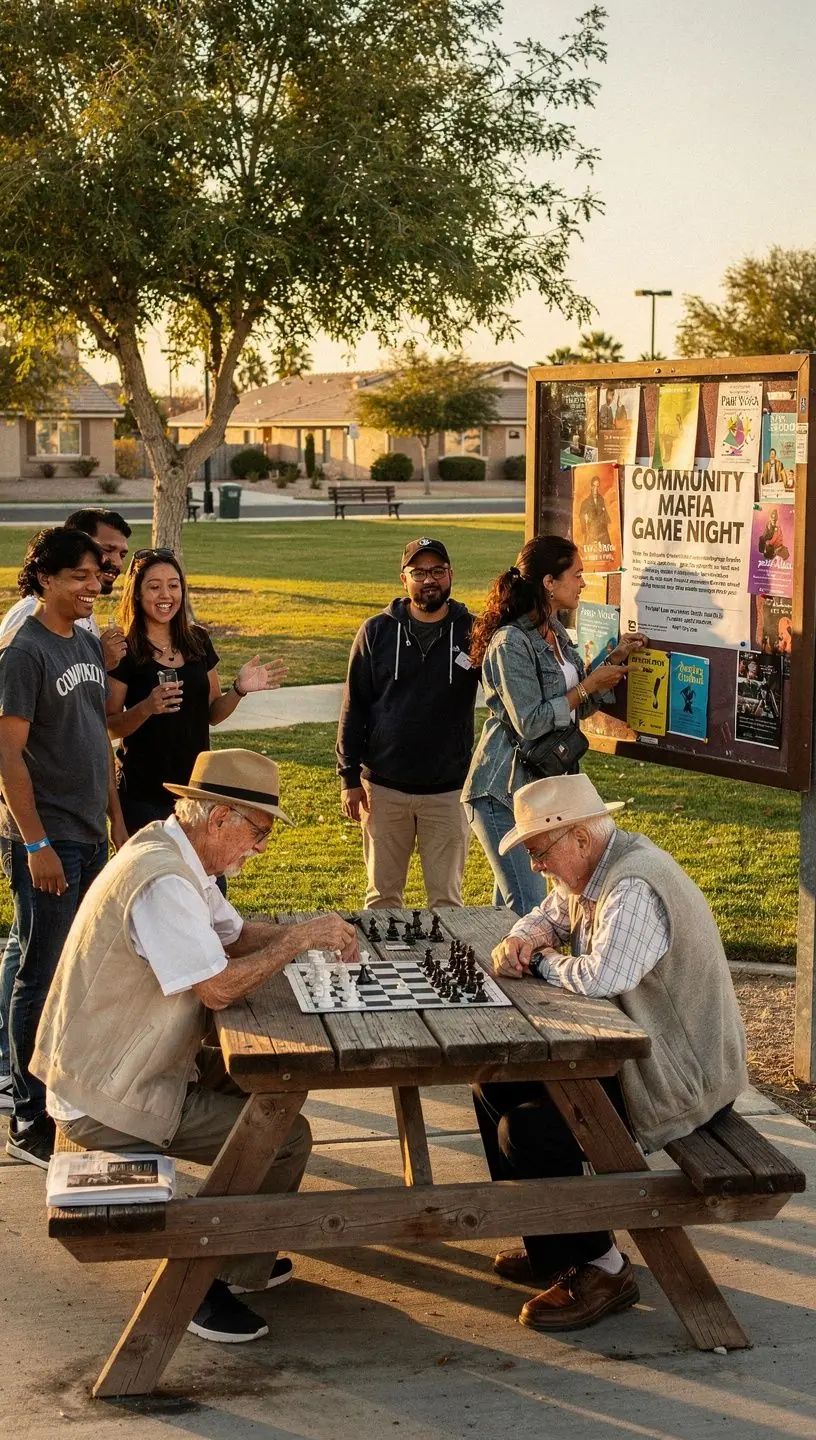
Inclusivity refers to the practice of ensuring that all individuals, regardless of their backgrounds, abilities, or identities, feel welcomed and valued in community settings. According to research from the American Psychological Association, inclusive environments can lead to increased participation and satisfaction among community members. This is crucial for local events, where diversity contributes to richer experiences and broader perspectives.
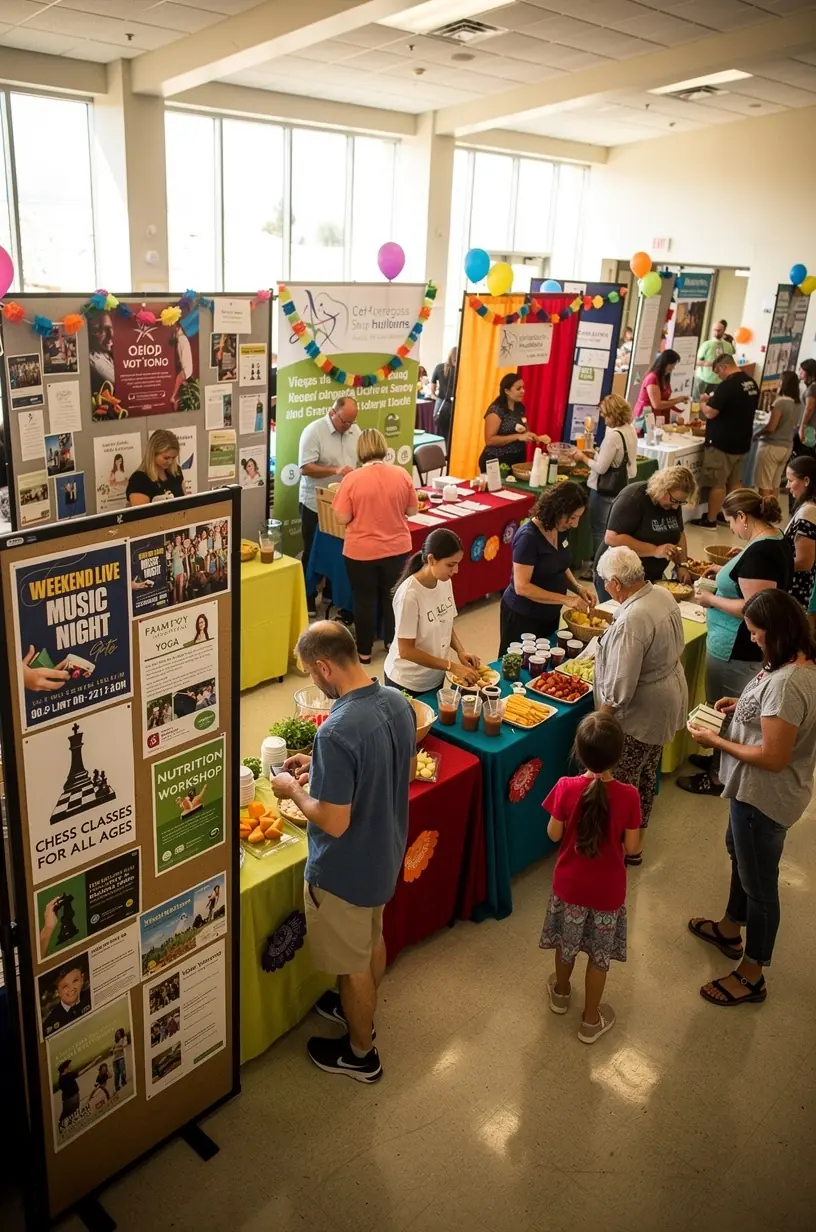
"Diverse gatherings often result in innovative ideas and stronger community bonds." — Community Engagement Expert
Practical Strategies for Promoting Inclusivity
Implementing inclusivity in local events typically involves several key strategies:
- Communication: Use clear and accessible language in all promotional materials. Studies show that using plain language can enhance understanding among diverse audiences.
- Accessibility: Ensure that venues are physically accessible to individuals with disabilities. This may involve features like ramps, accessible restrooms, and signage in multiple languages. Many users report that such improvements significantly enhance their event experience.
- Diverse Programming: Curate a program that reflects the interests of varied community members. This can include workshops, performances, and discussions that appeal to different demographics. According to industry standards, events that offer diverse programming often attract a broader audience.
Engaging the Community
Engagement is critical for promoting inclusivity. Here are some methods to involve community members actively:
- Feedback Mechanisms: Implement surveys or feedback forms to gather insights from attendees about their experiences and expectations. Research indicates that events that adapt based on participant feedback tend to see higher satisfaction rates.
- Collaborate with Local Organizations: Partnering with local groups that represent various communities can help in promoting your event to a wider audience. Experts recommend involving diverse stakeholders in the planning process to ensure representation.
- Create Safe Spaces: Designate areas within events where individuals can express themselves freely and engage in discussions. This works best when facilitators are trained on managing respectful dialogues.
Conclusion
Promoting inclusivity in local events requires a thoughtful approach that combines effective communication, strategic programming, and active community engagement. While implementing these strategies may take time—typically a few months to establish a fully inclusive environment—the benefits, such as increased participation and community cohesion, can be substantial. As you work towards creating more inclusive events, remember that the goal is not only to welcome diverse individuals but to create a space where everyone feels they belong.