The Role of Social Clubs in Community Building
Social clubs serve as vital components in fostering community connections, enhancing social interactions, and promoting local engagement. This article explores how social clubs contribute to community building, supported by research and expert insights.
Understanding the Importance of Social Clubs
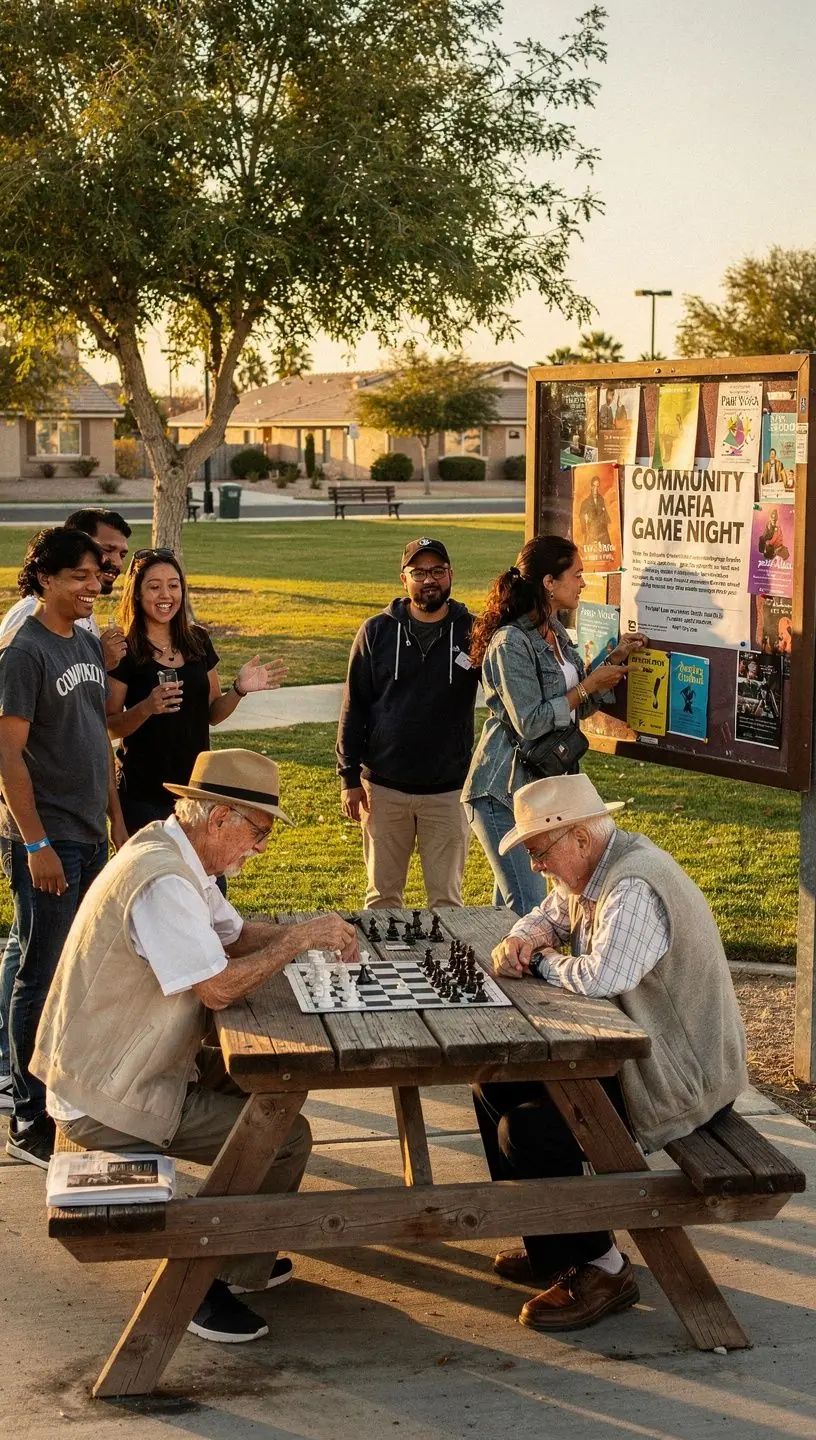
Social clubs typically provide a structured environment for individuals to engage in various activities, from playing games like chess and mafia to enjoying live music events. According to research conducted by the American Sociological Association, social interactions fostered by these clubs can significantly enhance a sense of belonging and community cohesion.
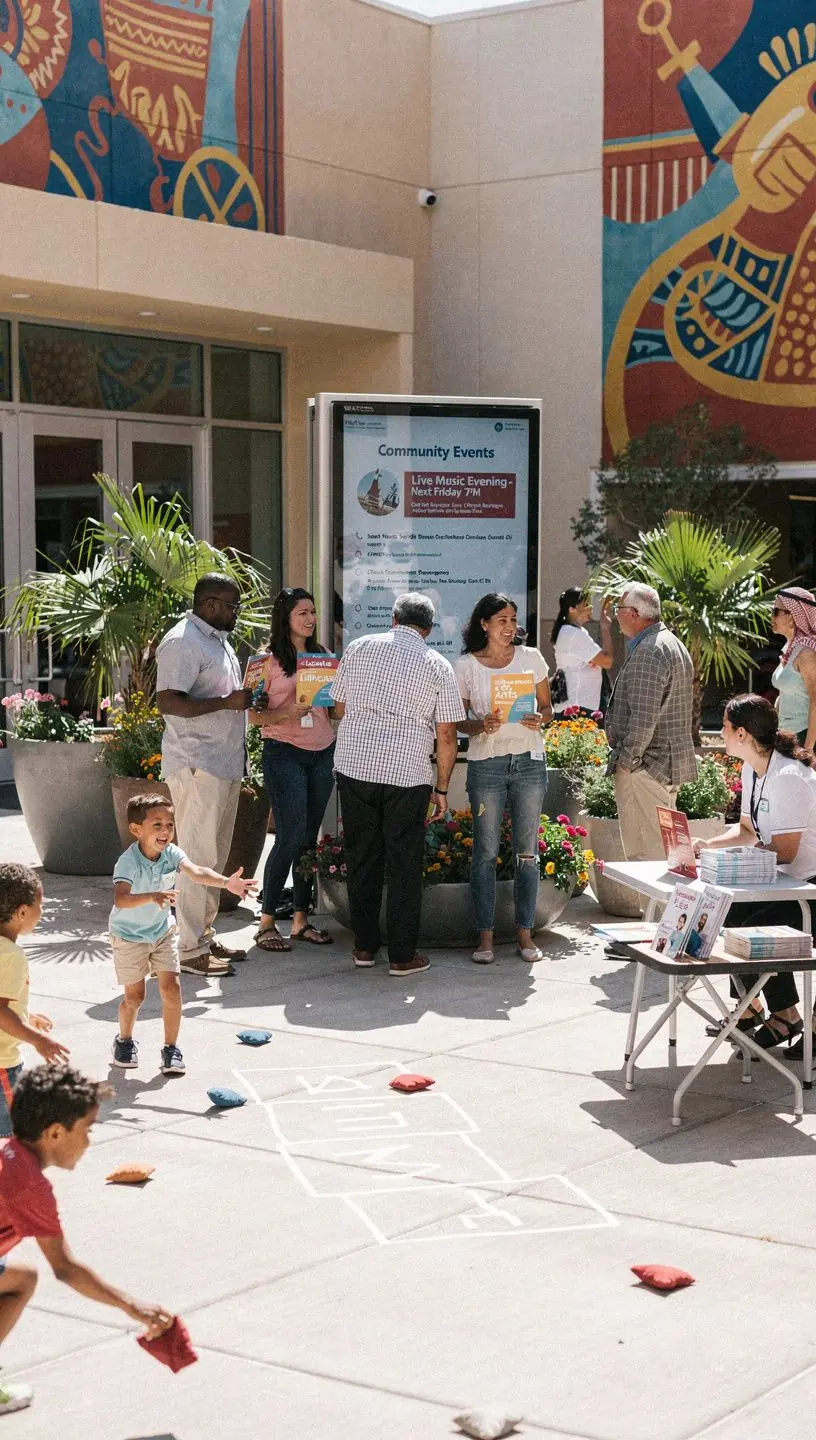
"Many users report that participation in social clubs leads to stronger relationships and a greater sense of community." - Community Engagement Research Institute
How Social Clubs Facilitate Community Engagement
Social clubs contribute to community building in several ways:
- Creating Opportunities for Interaction: Clubs provide a regular platform for members to meet, share interests, and participate in activities that foster relationships.
- Encouraging Participation: Many experts recommend that communities actively promote local clubs as a way to encourage citizen involvement and volunteerism. This can lead to increased community support and collaboration.
- Providing a Sense of Identity: Engaging in club activities often helps individuals feel more connected to their community, creating a shared identity and purpose. Research indicates that a collective identity can enhance community pride.
Challenges and Considerations
While social clubs offer numerous benefits, there are some limitations and challenges that participants should consider:
- Time Commitment: Joining a social club often requires a regular time commitment, which may not be ideal for those with busy schedules. Typically, members should allocate a few hours weekly to fully engage in club activities.
- Inclusivity: Not all clubs may be welcoming to newcomers; often, existing members may need to make an effort to engage with new participants to foster an inclusive environment.
These factors highlight the importance of choosing clubs that align with personal interests and community goals.
Conclusion
In summary, social clubs play a crucial role in community building by fostering social interaction, encouraging participation, and providing a shared sense of identity. When individuals become involved in these clubs, they contribute to a more vibrant and cohesive community. As community members, it is beneficial to explore local clubs and discover the opportunities they offer for connection and engagement.
Learn More